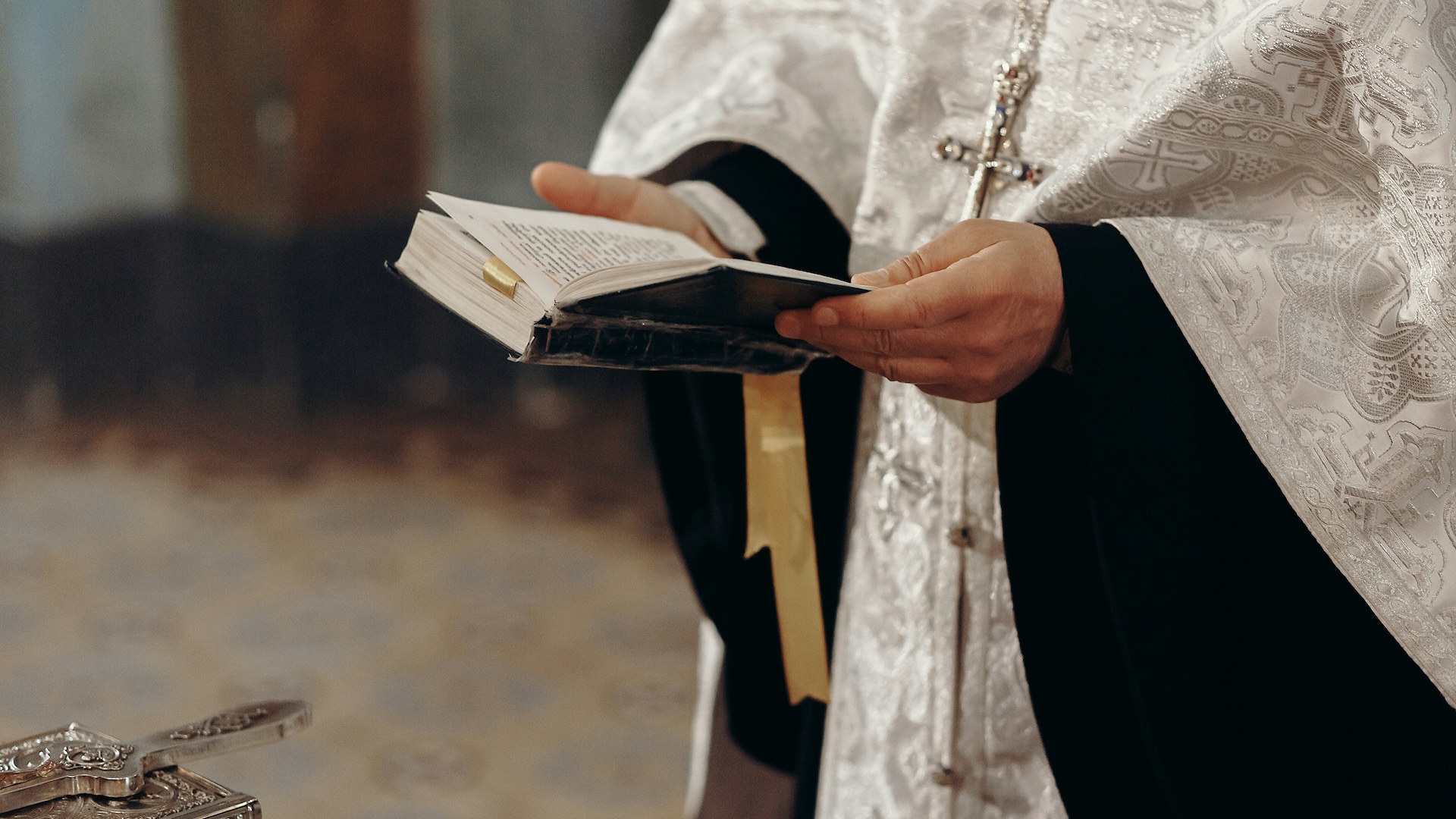
I think we can sometimes fool ourselves into believing that the Reformation caused the Roman Catholic Church to abandon some, most, or all of the doctrine that was so concerning to the Reformers. We can sometimes believe that the Catholicism of today is materially different from that of the 16th century or that it has drawn much closer to Protestantism. But now and again we receive reminders that this is simply not so. A Year of Jubilee is a good opportunity to see this with clarity.
A Year of Jubilee
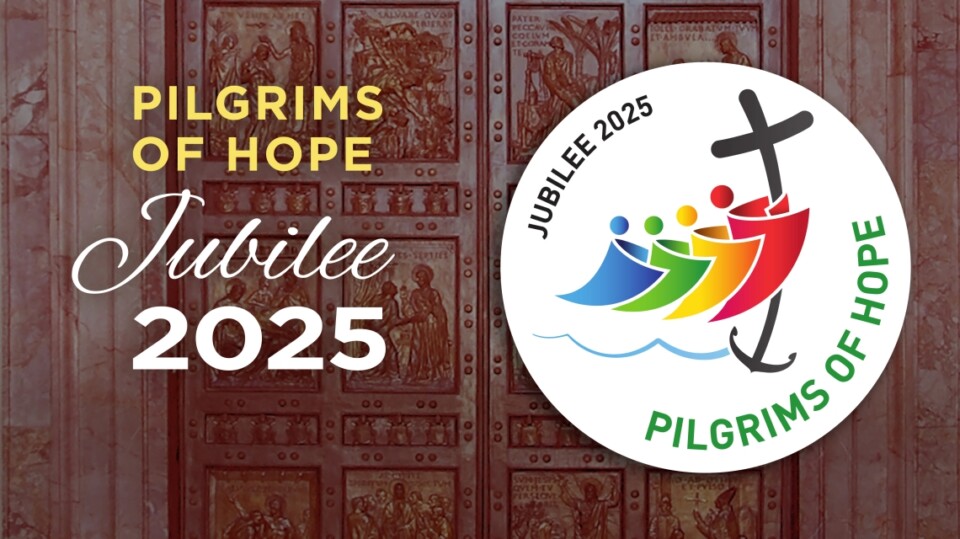
A Year of Jubilee must be declared by a pope and tends to take place every 25 years or so. It marks a time of special spiritual reflection and renewal for the faithful. A couple of years ago, Pope Francis declared that 2025 would be a year of Jubilee with the theme of “Pilgrims of Hope.” It began on December 24, 2024, with the ceremonial opening of the Holy Doors of St. Peter’s Basilica and will conclude when they are closed on January 6, 2026.
Indulgences
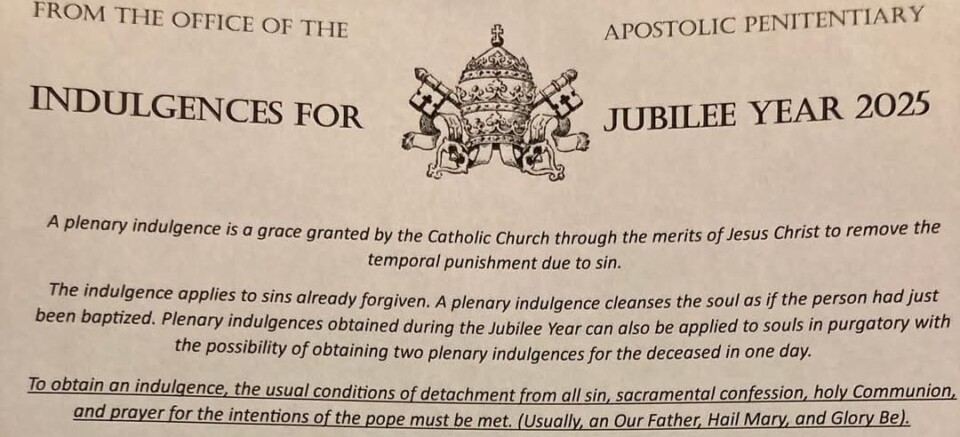
The dominant feature of a Year of Jubilee is the issuing of indulgences. According to the Catechism of the Catholic Church, an indulgence is “a remission before God of the temporal punishment due to sins whose guilt has already been forgiven, which the faithful Christian who is duly disposed gains under certain prescribed conditions…” In other words, an indulgence is a means of reducing the punishment a believer needs to endure in purgatory for sins that have been forgiven but not completely remitted. Indulgences draw upon the Treasury of Merit—a pool of surplus righteousness accumulated by Jesus and the saints that is now made available by the Church. When you perform certain deeds worthy of an indulgence, some of this righteousness is effectively added to your account to either reduce (partial indulgence) or entirely remove (plenary indulgence) the punishment owed to you for your sin.
During this Jubilee, indulgences can be gained in several ways:
- Making a pilgrimage to Rome and, while there, carrying out certain acts within particular buildings (e.g. visiting St. Peter’s; praying within the Roman Catacombs).
- Performing works of mercy (e.g. visiting prisoners; spending time with the elderly).
- Undertaking certain acts of penance (e.g. fasting from social media for at least a day per week; offering support to the needy).
- Making a pious pilgrimage to a local cathedral or shrine identified by the appropriate bishop.
- Engaging in acts of spiritual formation based on the documents of Vatican II.
Those who do these things in the right spirit will receive a plenary indulgence they can apply to themselves or to someone who has died and is in purgatory. This indulgence will be effective for any sins they have committed and confessed and will entirely remove the punishment of those sins in purgatory, thus making their souls entirely pure.
Many Differences
One of the reasons a Year of Jubilee is especially noteworthy is that it highlights so many of the differences between Catholicism and Protestantism. A Year of Jubilee shows that according to the Roman Catholic Church:
- Christ’s suffering was sufficient to remove the guilt of sin but not its punishment;
- The Church has the power to forgive sins through confession, yet in such a way that their punishment is not removed;
- The Church has the authority to issue indulgences;
- The Church has access to a Treasury of Merit that it can dispense as it sees fit;
- Baptism is an act of regeneration in which original sin is forgiven and the soul is objectively purified;
- An indulgence can return the soul to the state of being objectively purified as if the one receiving it had just been baptized;
- Christians (unless they are saints) do not go to heaven when they die, but first to purgatory to be punished for sin until they have attained sufficient holiness;
- Christians can effect not only their own future punishment in purgatory but also the present or future punishment of others.
Putting this all together: According to Roman Catholic doctrine, when you are baptized, you are regenerated—cleansed of original sin, made entirely holy, and initiated into the Church. However, every time you subsequently sin, you accumulate a necessary degree of guilt and punishment before God. When you confess that sin to a priest in the sacrament of confession, he forgives you on behalf of God so that the guilt of the sin is removed. Yet the consequence of that sin is not removed. Thus if you live as a faithful Catholic who attends the mass and participates in confession, you can die with your sins forgiven but with sin’s consequences still on your account. For the consequences of your sins to be removed, you must go to purgatory—a place of purging where you are purified (made holy) through punishment. It is only when you have been entirely purified—a process that may take years or centuries—that you can enter heaven.
An indulgence such as those made available during a Year of Jubilee either reduces or entirely removes this punishment so that God once again views you as entirely holy. Your sin is forgiven in confession and your punishment is removed in the indulgence. These indulgences can be applied to yourself or other people so that you can either reduce your own punishment in purgatory or that of a loved one.
Conclusion
There are always movements within Christendom that mean to pursue unity by minimizing the differences between Protestantism and Catholicism. Yet a Year of Jubilee provides many clear demonstrations of the way the Roman Catholic Church has corrupted, perverted, and denied the gospel of salvation by grace alone through faith alone in Christ alone. Time would fail me to go through each one and offer a Protestant (which is to say a biblical) response, but thankfully we have access to many resources that ably do so.
What’s especially important is that we do not regard these differences as an assortment of minor disagreements flowing from the same truth, but as a collection of doctrines and practices that flow from the worst kind of error and teach a different gospel, a gospel that denies the sufficiency of Christ’s sacrifice, a gospel that adds works to faith, a gospel that can never save and only damn.
If you’d like to better understand the differences between Catholicism and Protestantism, your best resource is Leonardo De Chirico’s Same Words, Different Worlds. His book highlights how Catholicism and Protestantism often use the same theological words and terminology but with completely different meanings attached to them. He will also soon be releasing a short book titled Jubilee: Much More and Much Better Than a Holy Year. You can see Catholic News Agency for a summary of the terms of the Year of Jubilee or read the full decree from the Vatican.





