
This is a curated list of hand-picked Kindle deals that are of special interest to Christian readers. I update this page daily as new deals become available. As an Amazon Associate I earn from qualifying purchases.
How I Choose Books
Daily deals are divided into Christian Book Deals and General Market Book Deals. For the Christian Book Deals, I apply discernment to my choices and try to only include books I can recommend without significant caveats. For the General Market Book Deals, I do my best to include books that will be interesting and inoffensive. That said, these books are from the general market and, therefore, may not reflect a Christian worldview.
October 18
Christian deals for October 18:
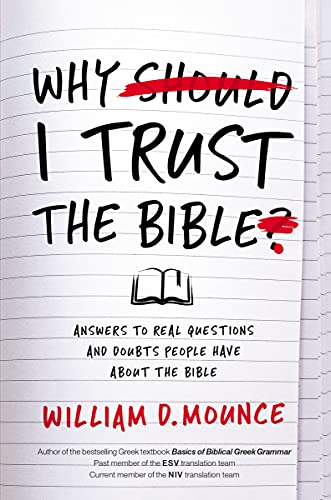
Why I Trust the Bible
William D. Mounce
Bill Mounce, a veteran translator who chaired the ESV New Testament committee, answers the real questions people raise about Scripture—whether Jesus actually lived, whether the Gospels were written too late to be trusted, and whether the text has been handed down accurately. He makes the case that the Bible is better attested and more defensible today than it has ever been.
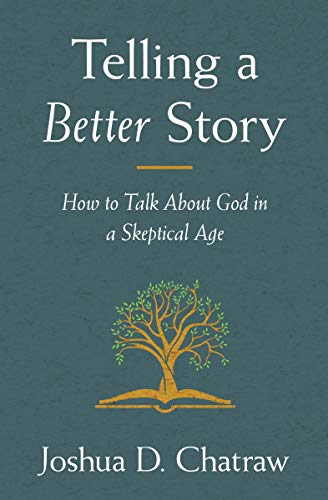
Telling a Better Story
Joshua D. Chatraw
Joshua Chatraw offers an “inside out” approach to apologetics that begins by listening to the stories people already live by, then shows how the gospel tells a better one. It won a Christianity Today Book Award in apologetics and evangelism, and Tim was glad to recommend it when he reviewed it in 2020.
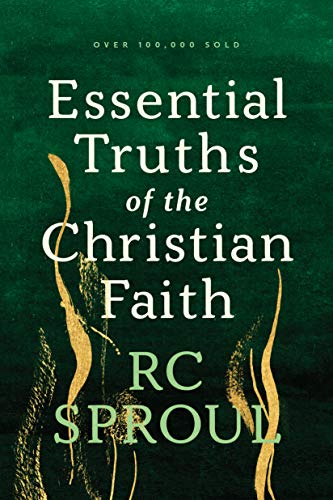
Essential Truths of the Christian Faith
R.C. Sproul
In more than one hundred short chapters, R.C. Sproul explains the core doctrines of the Christian faith in plain language, taking theology off the library shelf and putting it into the hands of ordinary believers. It remains one of the most accessible introductions to Reformed theology you will find.
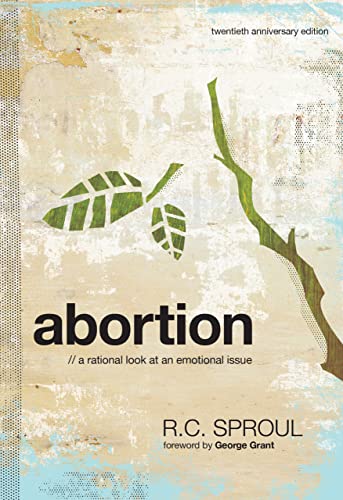
Abortion
R.C. Sproul
Writing as a pastor-theologian and trained philosopher, R.C. Sproul takes a calm and reasoned look at one of the most emotionally charged issues of our day, weighing it in light of biblical teaching, civil law, and natural law. He considers the arguments on both sides and calls for a renewed respect for the lives of the unborn.
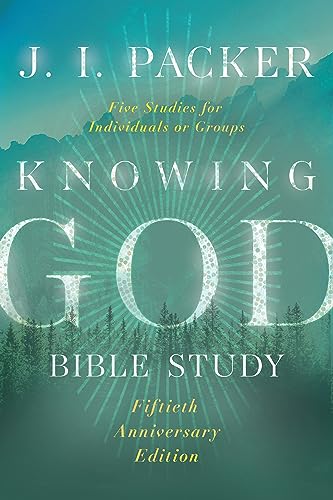
Knowing God Bible Study
J. I. Packer, Dale Larsen, and Sandy Larsen
Released for the fiftieth anniversary of J.I. Packer’s classic Knowing God, this five-session study from InterVarsity Press works through passages such as Isaiah 40, Psalm 107, John 14, Hebrews 12, and Romans 8 to explore God’s character and works. It includes a leader’s guide and suits small groups, classes, or personal study.
October 17
Christian deals for October 17:
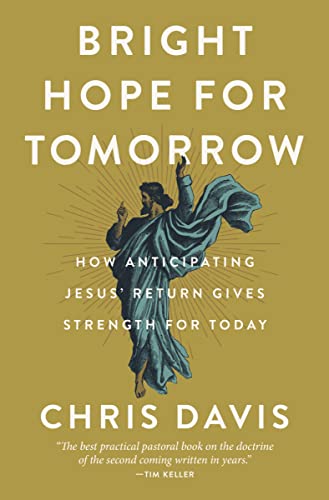
Bright Hope for Tomorrow
Chris Davis
Pastor Chris Davis believes that many Christians have quietly set aside the doctrine of Christ’s return because end-times debates made it feel confusing or contentious. He draws it back to the center, showing how a living expectation of Jesus’ appearing can strengthen discipleship and steady believers through affliction.
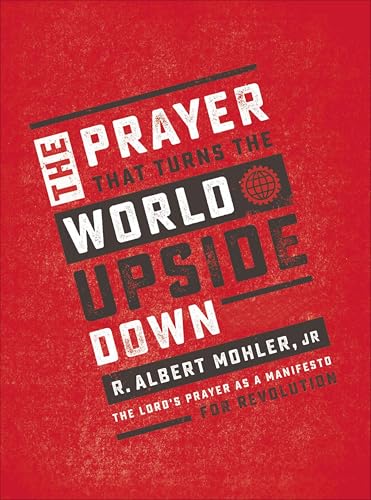
The Prayer That Turns the World Upside Down
R. Albert Mohler Jr.
Albert Mohler walks phrase by phrase through the Lord’s Prayer and argues that these familiar words are far more radical than we assume—a declaration that God alone reigns. Along the way he shows how praying this prayer reshapes what we believe about God, the gospel, and our place in his kingdom.
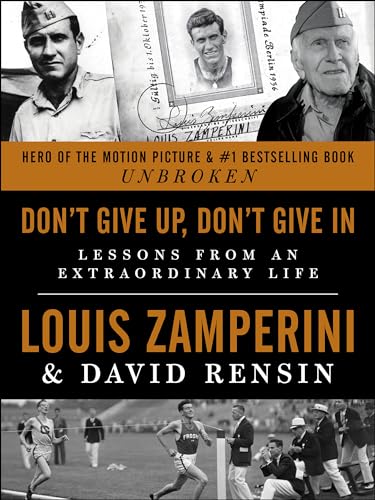
Don’t Give Up, Don’t Give In
Louis Zamperini and David Rensin
Completed just days before his death at ninety-seven, this is Louis Zamperini’s own collection of life lessons drawn from an Olympic career, forty-seven days adrift at sea, years in Japanese prison camps, and the Christian conversion that freed him from bitterness. It is a brief, warm companion to the story told in Unbroken.
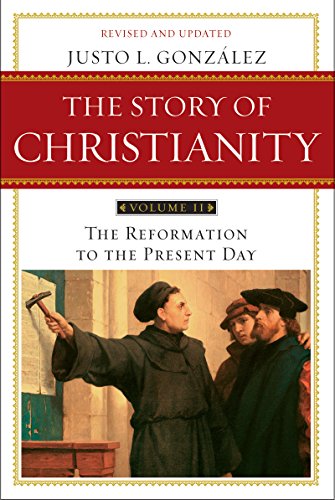
The Story of Christianity: Volume 2
Justo L. González
The second volume of González’s widely used survey carries the story of the church from the Protestant Reformation to the present day. It is a readable, classroom-tested introduction to five centuries of movements, controversies, and expansion across the globe.
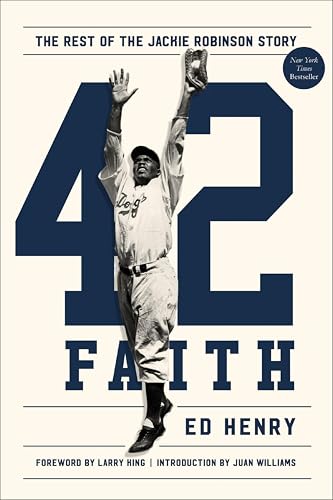
42 Faith
Ed Henry
Journalist Ed Henry tells the part of the Jackie Robinson story that the movie left out—the Christian faith that sustained him as he broke baseball’s color barrier. Drawing on rediscovered sermons, family interviews, and an unpublished memoir, he also shows how a pastor’s counsel shaped Branch Rickey’s decision to sign him.
The Expulsive Power of a New Affection
Thomas Chalmers
Thomas Chalmers’ most famous sermon makes a simple but searching point: the heart cannot be emptied of its love for the world merely by exposing the world’s emptiness. Only a greater affection—love for God himself—can drive the old one out. This is an inexpensive edition of a short Christian classic.
The Gospel in Ezekiel
Thomas Guthrie
Rather than surveying the whole prophecy, the great Scottish preacher Thomas Guthrie works slowly through Ezekiel 36, finding there the full shape of the gospel—sin, judgment, mercy, cleansing, and a new heart. First published in 1856, it sold tens of thousands of copies in his lifetime.
Till He Come
Charles H. Spurgeon
This collection gathers Spurgeon’s addresses at the Lord’s Table, some delivered to thousands at the Metropolitan Tabernacle and others to small gatherings of believers at Mentone. Whatever the text, each one circles back to Christ’s atoning sacrifice, which the bread and the cup set before us.
How to Live Well
William Perkins
William Perkins, often called the father of Puritanism, offers a short treatise on what it means to live by faith and to trust the Lord in every circumstance. It is a brief, practical introduction to one of the most influential Puritan writers.
General market deals for October 17:
Blitzed
Norman Ohler
Norman Ohler’s widely discussed history argues that drugs were woven deep into the Third Reich, from the methamphetamine issued to soldiers during the 1940 invasion of France to the cocktail of injections Hitler received from his personal physician. Some historians dispute how much weight he gives them, but the research into Theo Morell’s records is fascinating.
Mother of God
Paul Rosolie
At eighteen, Paul Rosolie went alone into the Madre de Dios region of Peru, one of the most biodiverse places on earth. His memoir mixes genuine adventure—anacondas, crocodiles, an orphaned anteater—with a passionate case for protecting a rainforest threatened by loggers, oil companies, and gold miners.
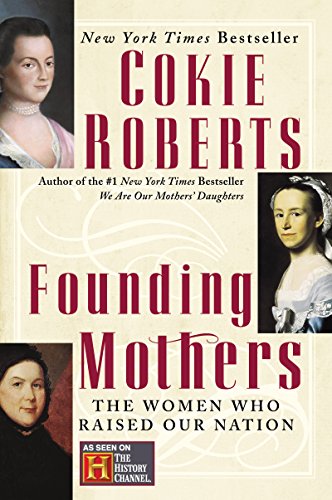
Founding Mothers
Cokie Roberts
Cokie Roberts turns to the wives, mothers, sisters, and daughters of the American founders—Abigail Adams, Martha Washington, Mercy Otis Warren, and many others. Drawing on their letters and journals, she shows how much these women contributed to the Revolution and the nation that followed.
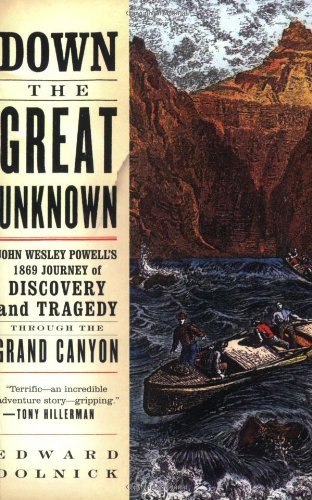
Down the Great Unknown
Edward Dolnick
In 1869 the one-armed Civil War veteran John Wesley Powell led ten men in four wooden boats down the Colorado River into the Grand Canyon, the last blank space on the map of the United States. Edward Dolnick uses the crew’s diaries to tell a gripping story of discovery, hunger, and loss; only six men came out.
October 16
Christian deals for October 16:
The Mystery of the Holy Spirit◆ Must Read
R.C. Sproul
First published in 1990 and later reissued by Christian Focus, this is Sproul’s accessible study of the third person of the Trinity. He explains who the Spirit is and what he does, works through the question of baptism in the Spirit, and connects the doctrine to everyday Christian living.
Love Like You Mean It
Bob Lepine
The longtime co-host of FamilyLife Today takes the familiar love chapter of 1 Corinthians 13 and applies each of its attributes to marriage. His point is that real marital love is sustained by actions and decisions rather than feelings, and each section closes with discussion questions and brief action steps.
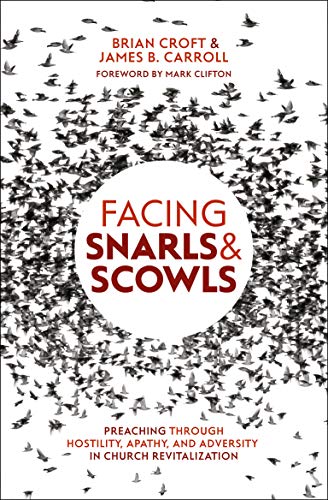
Facing Snarls and Scowls
Brian Croft and James B. Carroll
Written for pastors in church revitalization, this short book is about continuing to preach when a congregation is hostile, apathetic, or simply worn down. The authors make a biblical and historical case for persevering in the pulpit, describe what makes preaching good, and share their own stories of staying put through opposition.
Get Preaching
Jonathan Gemmell
A pocket-sized guide from the Proclamation Trust built on a simple conviction: preachers can get better over time. Gemmell, who pastored in Scotland for twelve years before joining the Trust, offers practical counsel for growing in the craft of preaching.
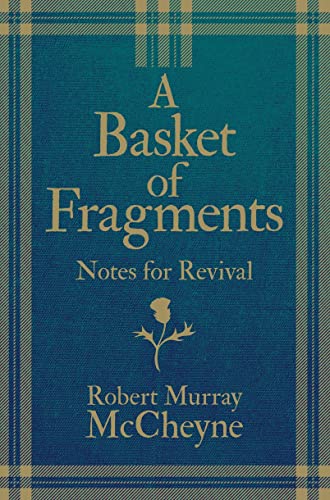
A Basket of Fragments
Robert Murray M'Cheyne
Compiled after M’Cheyne’s death from notes his congregation took of his messages, this collection preserves short, Christ-centered expositions from a preacher who died before his thirtieth birthday. They display his confidence in Scripture, his longing to see people converted, and his constant sense of eternity.
God – Is He Out There?
Mez McConnell
Part of the First Steps series produced with 9Marks, this brief book is written for people who are new to Christianity. McConnell asks whether God exists, what he is like, and why the answer matters, and he does it in plain language meant for readers with little church background.
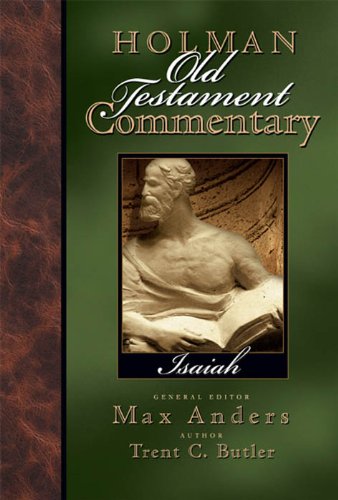
Holman Old Testament Commentary: Isaiah
Trent C. Butler
One volume in the twenty-book Holman Old Testament Commentary series edited by Max Anders. Based on the NIV, it works through Isaiah section by section and includes discussion starters, teaching plans, and other helps aimed at pastors and teachers who need a dependable but readable commentary.
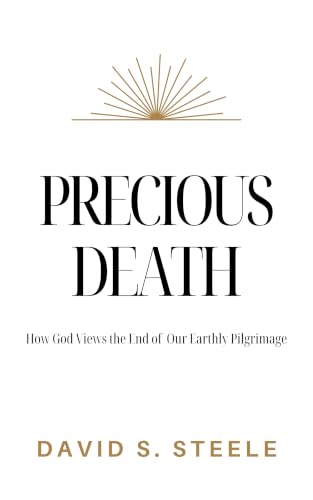
Precious Death
David S. Steele
Released in September 2026, this short book considers how God views the end of our earthly pilgrimage. Steele asks why we die, points readers to what Jesus accomplished, and looks ahead to the Celestial City, with study and application questions that make it usable for personal or group study.
General market deals for October 16:
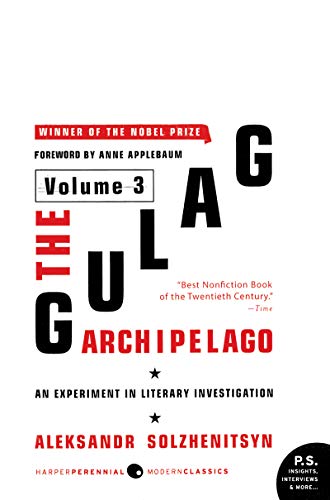
The Gulag Archipelago, Volume 3
Aleksandr Solzhenitsyn
The final volume of Solzhenitsyn’s monumental account of the Soviet labor camps, this one focused on resistance within the camps and on his own release after eight years of imprisonment. This edition includes a foreword by Anne Applebaum.
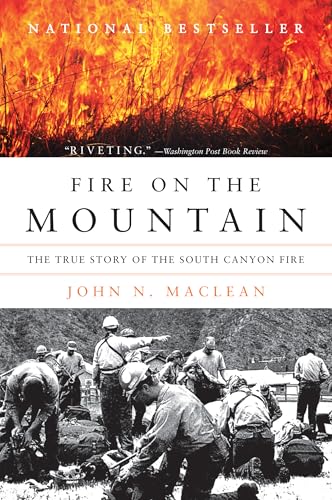
Fire on the Mountain
John N. Maclean
A longtime Chicago Tribune reporter reconstructs the 1994 South Canyon fire on Storm King Mountain in Colorado, where a series of small errors compounded into the deaths of fourteen firefighters. It was named the best nonfiction book of 1999 by the Mountains and Plains Booksellers Association.
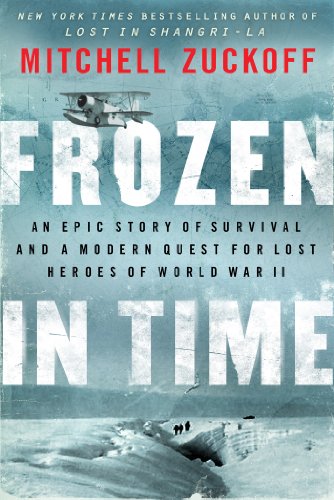
Frozen in Time
Mitchell Zuckoff
In 1942 a B-17 crashed on the Greenland ice cap and its surviving crew endured 148 days in the wreckage while rescue attempts failed and claimed more lives. Zuckoff tells that story alongside his own participation in a modern expedition to find a downed rescue plane and bring its crew home.
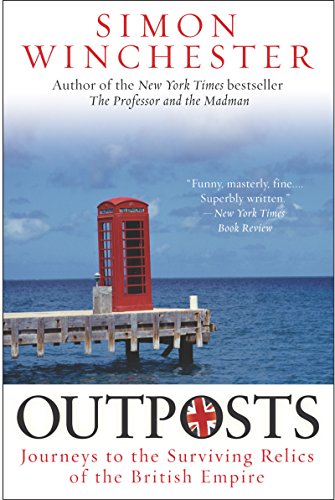
Outposts
Simon Winchester
In the mid-1980s Winchester set out to visit every remaining dependency of the British Empire, from Tristan da Cunha to Pitcairn to Gibraltar. The result is a witty, melancholy travelogue through the scattered relics of a vanished empire, reissued with a new introduction and added material.
October 15
Christian deals for October 15:
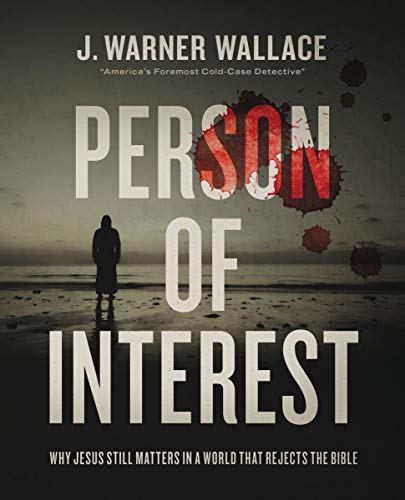
Person of Interest
J. Warner Wallace
Cold-case detective J. Warner Wallace applies his investigative methods to the question of Jesus, examining the historical evidence without relying on the New Testament. He shows how the “fuse” of history before Jesus and the “fallout” after him point to his unique significance, and he addresses common objections along the way.
Who Am I and What Am I Doing with My Life?
Justin N. Poythress
Pastor Justin Poythress addresses the identity pressure so many people feel today and offers a biblical path to stability and purpose in Christ. He traces how modern philosophy shaped our sense of self, then works through authenticity, freedom, and community, along with the red herrings of work, sex, and politics.
Storing Up Treasure
Kyle Bjerga
A family devotional built around 30 memory verses, each paired with five short, interactive devotions that connect Scripture to everyday moments like waking up, praying, and going to bed. Written for children ages 6 and up, it includes “Go Deeper” and “Get Creative” prompts to help families learn, live, and love God’s Word together.
Be True to Yourself
Matt Fuller
British pastor Matt Fuller questions the popular message that happiness comes from being true to yourself and asks which version of yourself you should be true to. He argues that we are image-bearers of God rather than gods within, and that real identity is found in Christ, with later chapters touching on identity, gender, and sexuality.
The Gospel Shaped Leader
Scott Thomas
Former Acts 29 president Scott Thomas argues that church leaders grow not through growth techniques or seminars but by leaning on Jesus. He shows how the gospel cultivates the humility, empathy, and wisdom that shepherding requires, and each chapter closes with reflection questions.
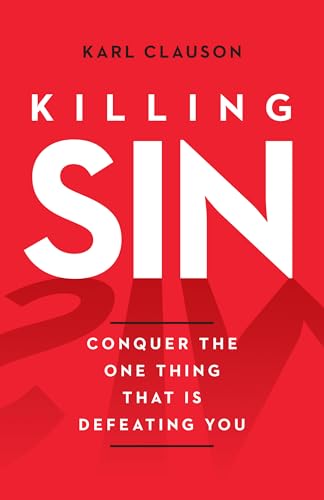
Killing Sin
Karl Clauson
Pastor and Moody Radio host Karl Clauson writes for Christians stuck in a cycle of sin and guilt. Honest about his own battles, he lays out the habits that keep us stuck and Scripture-grounded strategies for hating, attacking, and killing sin in God’s power.
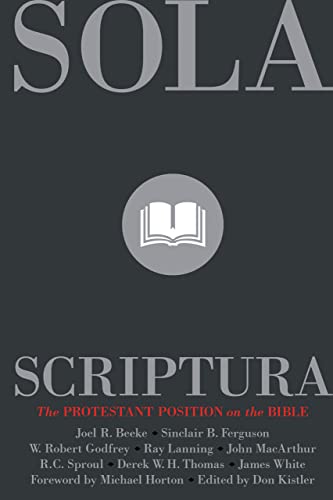
Sola Scriptura
Don Kistler (editor)
A collection of essays defending the Reformation principle that Scripture alone is the church’s final authority. Contributors include R.C. Sproul, Sinclair Ferguson, John MacArthur, James White, W. Robert Godfrey, Derek Thomas, and Joel Beeke, covering the doctrine’s meaning, history, authority, sufficiency, and relationship to tradition.
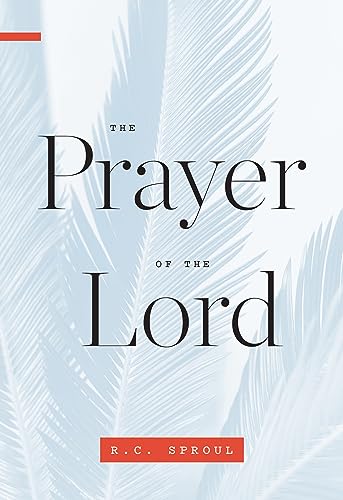
The Prayer of the Lord
R.C. Sproul
R.C. Sproul works through the Lord’s Prayer line by line, treating it as the model Jesus gave his disciples for conversation with God. Each chapter draws out principles about God’s fatherhood, his kingdom, forgiveness, and temptation, and a closing chapter answers common questions about prayer.
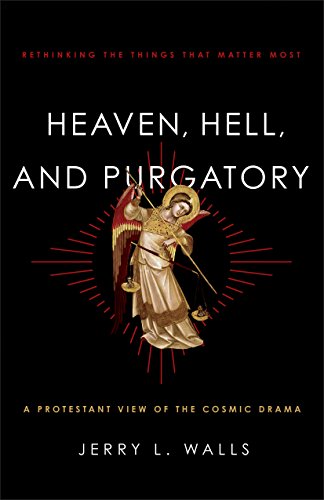
Heaven, Hell, and Purgatory
Jerry L. Walls
Philosopher Jerry Walls distills his academic trilogy on the afterlife into an accessible book for general readers, asking whether heaven would be boring, how a loving God could send anyone to hell, and whether purgatory fits with salvation by grace. He defends the doctrine of eternal hell and, more controversially, argues for a version of purgatory he believes is compatible with Protestant theology.
General market deals for October 15:
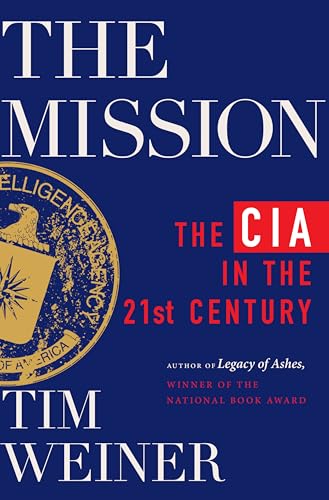
The Mission
Tim Weiner
Pulitzer Prize–winning journalist Tim Weiner picks up where Legacy of Ashes left off, tracing the CIA from its post–Cold War decline through 9/11, the wars in Afghanistan and Iraq, and today’s contests with Russia and China. Drawing on on-the-record interviews with six former directors and dozens of station chiefs, he shows how the agency drifted into paramilitary work and then fought to rebuild its espionage capabilities.
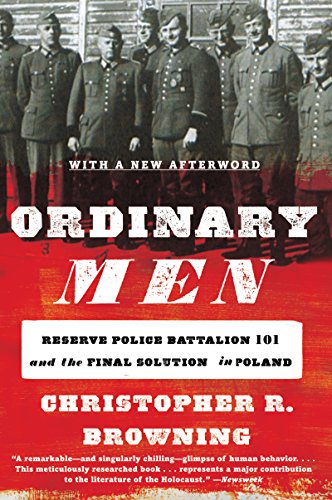
Ordinary Men
Christopher R. Browning
Browning’s landmark 1992 study examines Reserve Police Battalion 101, a unit of ordinary middle-aged German men responsible for shooting tens of thousands of Polish Jews and deporting tens of thousands more to Treblinka. Drawing on postwar interrogations, he asks how unremarkable people became killers and points to conformity, deference to authority, and shifting moral norms.
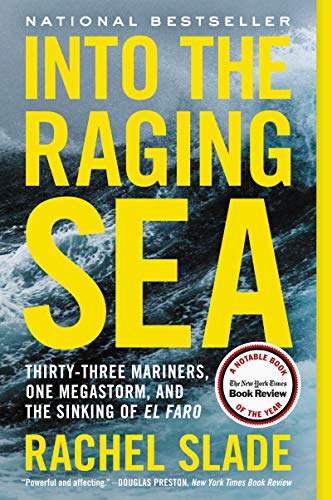
Into the Raging Sea
Rachel Slade
In October 2015 the container ship El Faro sailed into Hurricane Joaquin and sank with all 33 crew aboard, the worst American shipping disaster in decades. Journalist Rachel Slade reconstructs the voyage from the ship’s recovered data recorder and hundreds of interviews, and exposes the aging fleet and thin margins of the industry behind it.
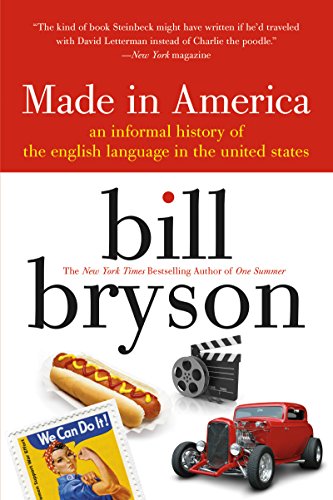
Made in America
Bill Bryson
Bill Bryson traces how American English grew out of the language the first colonists brought from Britain, and along the way delivers a lively history of American popular culture. He digs into the origins of countless words and phrases, from the $64,000 question to Dr. Kellogg’s cornflakes.
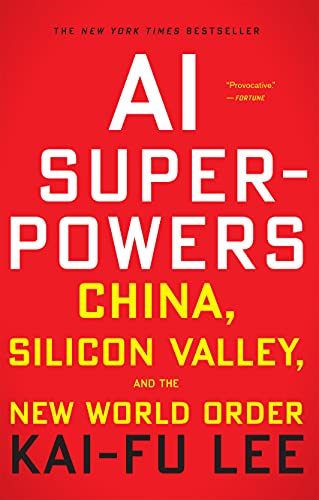
AI Superpowers
Kai-Fu Lee
Former Google China president and venture capitalist Kai-Fu Lee compares the artificial intelligence efforts of the United States and China, arguing that China’s vast data and speed-focused innovation give it real advantages. He also confronts the coming wave of job displacement and, drawing on his own battle with cancer, argues for using AI-generated wealth to build a more compassionate society.
October 14
Christian deals for October 14:
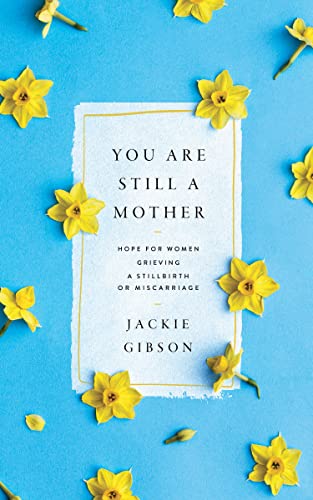
You Are Still a Mother
Jackie Gibson
A short, tender book for women grieving a stillbirth or miscarriage, written by a mother who lost her own daughter Leila just a week before her due date. Gibson blends Scripture, her own story, and brief chapters on God’s character and the gospel to assure grieving mothers that God is near. Tim named it one of his top books of 2023.
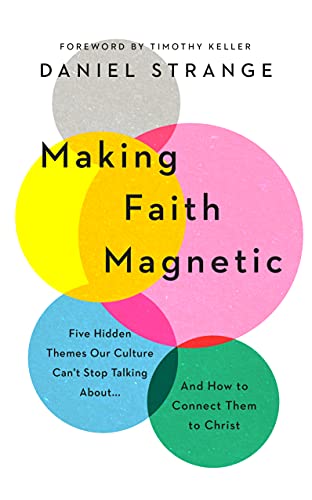
Making Faith Magnetic
Daniel Strange
Building on the work of theologian J.H. Bavinck, Strange identifies five deep longings our culture can’t stop talking about and shows how each finds its answer in Jesus. With a foreword by Tim Keller, it’s a down‐to‐earth guide to having fruitful conversations about faith with the people around you.
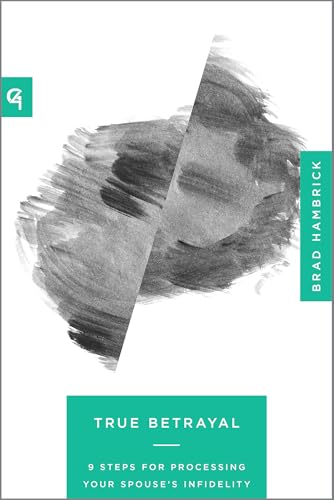
True Betrayal
Brad Hambrick
Part of the Church-Based Counseling series, this book from pastor and counselor Brad Hambrick lays out a clear and compassionate nine‐step framework for processing and healing from a spouse’s sexual infidelity. It is designed for use in lay‐led church counseling groups as well as by individuals.
The Gospel Shaped Leader
Scott Thomas
A former president of Acts 29 argues that church leaders grow not through church‐growth techniques but by leaning on Jesus, which cultivates the humility, wisdom, empathy, and self‐awareness leadership requires. Each chapter ends with reflection questions, and the book carries endorsements from Dane Ortlund, Russell Moore, and Daniel Akin.
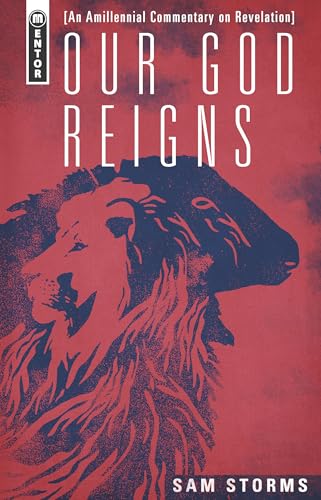
Our God Reigns
Sam Storms
A substantial amillennial commentary on the book of Revelation from Sam Storms, published by Mentor in 2024. Storms works carefully through the text to show how John’s vision points to the present reign of Christ and the sure hope of his return, making a complex book accessible to pastors and serious readers alike.
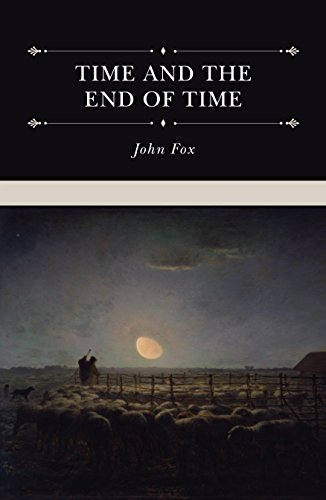
Time and the End of Time
John Fox
A Reformation Heritage Books reprint of a seventeenth‐century Puritan work built around two texts, Ephesians 5:16 and Deuteronomy 32:29. In the first part Fox urges the reader to redeem the time; in the second he calls us to consider our latter end. It is a warm, pastoral summons to live with eternity in view.
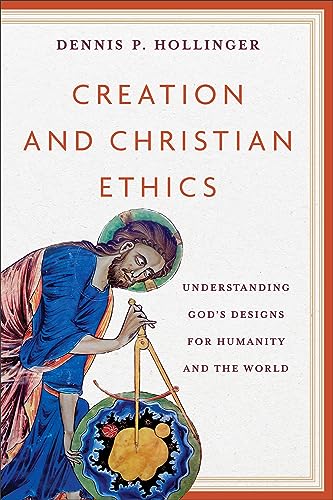
Creation and Christian Ethics
Dennis P. Hollinger
Hollinger, president emeritus of Gordon-Conwell Theological Seminary, argues that the doctrine of creation has been marginalized in evangelical ethics and ought to be its foundation. He builds “creation paradigms” and applies them to money, sex, power, racism, creation care, and even artificial intelligence. A Baker Academic title suited to classroom and church use.
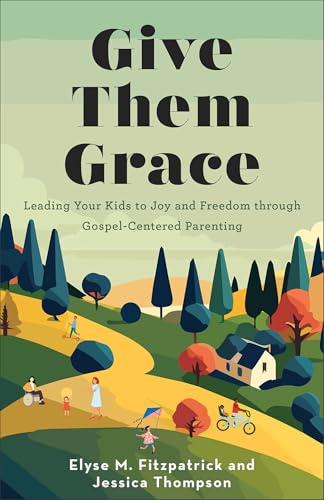
Give Them Grace
Elyse Fitzpatrick and Jessica Thompson
The revised 2024 edition of a mother‐daughter classic on gospel‐centered parenting, which insists that children need the grace of Jesus far more than they need better behavior. This edition adds two new chapters on parenting with grace in the areas of mental health and gender.
No Little People
Francis A. Schaeffer
Sixteen sermons Schaeffer preached at L’Abri, exploring both the weakness and the significance of human beings before an infinite and personal God. The title sermon makes the case that in God’s economy there are no little people and no little places. This repackaged Crossway edition includes an introduction by Udo Middelmann.
How Should We Then Live?
Francis A. Schaeffer
Schaeffer’s 1976 survey of Western thought and culture, tracing the rise and decline of the West from ancient Rome through the Middle Ages, Renaissance, Reformation, and Enlightenment to the modern age. His thesis is that presuppositions shape how people live, and that abandoning absolutes leads a culture toward relativism and eventually authoritarianism.
General market deals for October 14:
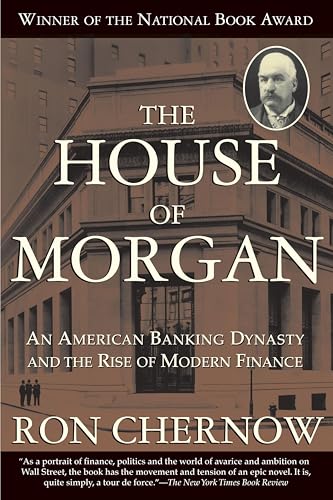
The House of Morgan
Ron Chernow
Chernow’s National Book Award‐winning history of four generations of the J.P. Morgan banking dynasty, from its obscure beginnings in Victorian London to the crash of 1987. Along the way it takes in a world of figures like Lindbergh, Henry Ford, Franklin Roosevelt, and Churchill.
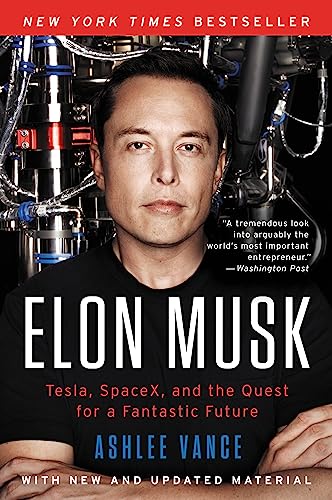
Elon Musk
Ashlee Vance
Vance’s 2015 biography, written with exclusive access to Musk and interviews with some 300 people, follows him from his South African childhood through PayPal, SpaceX, and Tesla. It predates his more recent ventures but remains the standard account of how he built his companies.
The Mosquito Bowl
Buzz Bissinger
From the author of Friday Night Lights, the story of a football game played by Marines on Guadalcanal in December 1944 as they prepared for Okinawa. The rosters included former All-Americans and future NFL players; within months, fifteen of the sixty‐five men who played were dead. A New York Times bestseller.
Gettysburg
Stephen W. Sears
A single‐volume history of the whole Gettysburg campaign from one of the leading historians of the Civil War. Sears gives careful attention to Lee’s reasons for moving north and then combines near‐documentary detail of the fighting with a broad analysis of how and why the battle unfolded as it did.
SAS Survival Handbook
John “Lofty” Wiseman
The classic survival guide from a former chief survival instructor of the British SAS, in its updated third edition with more than 100 pages of new material, including a chapter on urban survival. It covers preparation, making camp, finding food, first aid, navigation, and disaster survival in every climate and terrain.
October 13
Christian deals for October 13:
Every Believer Confident
Mark J. Farnham
A practical guide to apologetics for ordinary Christians rather than specialists. Farnham lays out a simple structure for engaging unbelievers, steering conversations toward spiritual matters, and presenting the gospel. This revised P&R edition adds case studies, review questions, and a new chapter on long‐term gospel conversations.
Disrupted Journey★ Tim’s Pick
Nate Brooks
A book for those who walk alongside a loved one living with chronic pain or illness. Brooks, a counseling professor, helps caregivers process their own upended lives, strained relationships, and spiritual struggles while keeping their eyes on the comfort Scripture offers.
The Watchmaker’s Daughter★ Tim’s Pick
Larry Loftis
The first major biography of Corrie ten Boom, the Dutch watchmaker whose family hid Jews and resistance workers from the Nazis before being arrested in 1944. Loftis draws on her letters, photos, and notes to tell a story that goes well beyond The Hiding Place.
Transformed by Truth
Katherine Forster
Written by a National Bible Bee champion while still a teenager, this book makes the case that teens should devote their formative years to Scripture. It then walks through a simple method of observation, interpretation, and application that works for readers of any age.
Amazing Grace
Eric Metaxas
A biography of William Wilberforce, the British parliamentarian whose faith drove his twenty‐year campaign against the slave trade. Metaxas traces his conversion, his friendship with John Newton, and the perseverance that saw slavery abolished in the British Empire just days before his death.
What’s So Great about the Doctrines of Grace?
Richard D. Phillips
A short and warm walk through the five points of Calvinism that presents them not as cold doctrine but as truths meant to comfort, humble, and strengthen the believer. Phillips argues from Scripture that this view of salvation exalts God and displays his love.
A Wilderness of Mirrors
Mark Meynell
Meynell examines the breakdown of trust that marks Western culture—in politics, institutions, media, and even the church—and then offers a Christian response. He grounds the rebuilding of trust in human nature, in Jesus, in the church, and in the story of God’s work in the world.
General market deals for October 13:
The Day the World Came to Town
Jim DeFede
When U.S. airspace closed on September 11, 2001, thirty‐eight jetliners landed in Gander, Newfoundland, and the small town took in thousands of stranded passengers. DeFede tells the story that later inspired the musical Come From Away.
King Leopold’s Ghost
Adam Hochschild
A history of King Leopold II’s brutal rule over the Congo Free State and the atrocities committed in pursuit of rubber and ivory. Hochschild also tells the story of the reformers, including Edmund Morel and Roger Casement, who exposed the abuses and launched an international protest movement.
Tiny Habits
BJ Fogg
Stanford behavior scientist BJ Fogg argues that lasting change comes from starting small rather than attempting radical overhauls. His method relies on anchoring new habits to existing routines and celebrating small successes rather than relying on motivation.
The Origins of Totalitarianism
Hannah Arendt
Arendt’s classic study of the roots of totalitarian rule traces the rise of antisemitism in nineteenth‐century Europe, the role of imperialism, and the parallels between Nazi Germany and Stalinist Russia. This edition carries a new introduction by Anne Applebaum.
October 12
Christian deals for October 12:
Note: The Francis Schaeffer deals have not yet taken effect. Stay tuned.
Bully Pulpit
Michael J. Kruger
Michael Kruger addresses the growing problem of spiritual abuse in the church—harsh, heavy-handed, domineering behavior by those in spiritual authority. He carefully defines the term, explains how abusive leaders evade accountability, and offers wise counsel for churches seeking to protect their people.
Talking about Race
Isaac Adams
Pastor Isaac Adams believes conversations about race matter a great deal but too often turn ugly, even among Christians. Beginning with a fictional, racially charged tragedy, he explores how believers can listen well, speak carefully across ethnic lines, and seek unity in Christ.
5 Things to Pray for Your Spouse
Michael & Melissa Kruger
Married couple Michael and Melissa Kruger offer 21 themes for prayer, each with five Scripture-shaped prompts, to help husbands and wives pray for one another with purpose. It’s a short and practical tool for strengthening a marriage through prayer.

How to Speak Life to Your Husband
Ann Wilson
Marriage coach Ann Wilson tells how her constant criticism nearly damaged her marriage and how she learned a better way. She shows wives how to replace harsh words with encouraging ones that build up their husbands and their marriages.
How Should We Then Live?
Francis A. Schaeffer
Francis Schaeffer’s classic survey traces the rise and decline of Western thought and culture from ancient Rome to the modern age. He shows how a society’s beliefs about God and truth shape its art, philosophy, and politics—and where secular humanism ultimately leads.
No Little People
Francis A. Schaeffer
This collection of sermons by Francis Schaeffer reminds Christians that, in God’s eyes, there are no little people and no little places. It is a warm and searching call to faithfulness in ordinary life and service. This edition includes an introduction by Udo Middelmann.
Pollution and the Death of Man
Francis A. Schaeffer
First written in 1970, this book considers ecological crisis through the lens of Scripture and theology. Schaeffer argues that Christians must return to a profoundly biblical understanding of God’s relationship to the earth and our role in caring for it.
Death in the City
Francis A. Schaeffer
Drawing on the prophet Jeremiah and on Romans, Francis Schaeffer describes a culture that has turned away from the truth it once knew. He calls the church to speak to a post-Christian world with both compassion and courage.



