I have always been glad that there was one person who brought out her alabaster jar and anointed the Lord before his burial. Most people would have waited. They would have kept the jar sealed until after his death. Only then, when his body was torn and cold, would they have broken it open to anoint him. But this one woman did not wait. She opened the jar while he could still enjoy its scent, and while his worn and weary feet could still be refreshed.
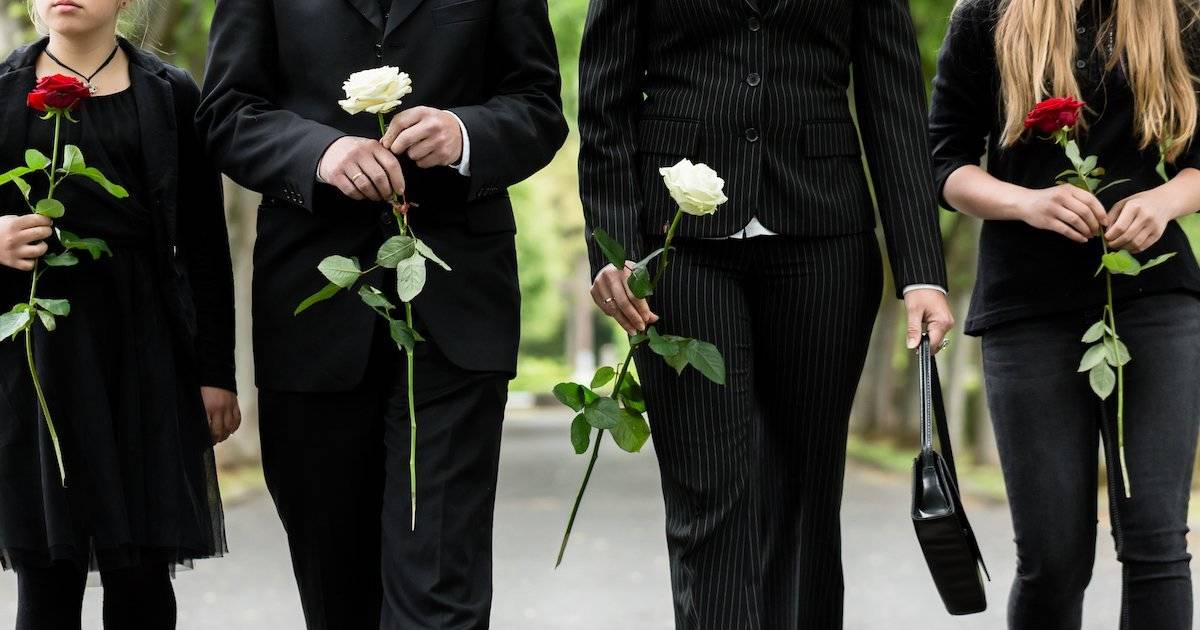
You don’t have to read between the lines to find the lesson. After a man dies, there is no lack of alabaster jars to be brought out and unsealed. It is then that the kindest words are spoken. It is then that his loved ones forget all his mistakes, follies, and sins to tell of his virtues. His friends recount all the wonderful things he did, the generosity he showed, and the kindness he extended. Everyone that knew him visits his family to say some kind word, to recount a favor they received or a noble deed they witnessed. Close friends order flowers to be sent with their card and laid on his coffin.
There is nothing wrong in all this. Flowers on a coffin are appropriate tokens of love and respect. The kind words are fitting, too. There is no better tribute to a life than the sincere accolades of grieving friends and family members.
We are gathering incense to pour on their coffins, but why shouldn’t we pour it over them today?
But in the meantime, there is a host of weary men and women toiling toward the grave who sorely need what we can give them right now. We are gathering incense to pour on their coffins, but why shouldn’t we pour it over them today? Kind words are lying in our hearts unexpressed, and resting on our tongues unspoken. These are the very words we will speak when these weary people are dead. Why shouldn’t we speak them now, when they would do so much good, and when hearing them would bring such encouragement?
Many a man lives a plain, plodding life, yet an honest, Christian one. He often denies himself to serve others. He does many quiet good deeds to serve his neighbors and friends. Yet he rarely hears a word of gratitude, a word of comfort, a word of encouragement. We, the people he loves and serves, may be grateful, but our gratitude remains in our hearts. The vases filled with appreciation are kept stored away. Later, when we stand by his coffin, we say enough kind things to have brightened every hour of his life. There are enough flowers piled upon his casket to have filled his house for years. His heart would have soared if he had heard our expressions of love and gratitude. His life would have been happier if he had known that we had such affection for him. But, alas, he had to die before we would express our appreciation.
Many a woman lives for Christ, toiling in quiet, unseen ministries. She neglects her own comfort to give generously to the church and to the poor. She visits the orphan and the widow, she trains the young women. When she dies the church mourns and her pastor preaches an eloquent sermon. These are fitting rewards for such a good life, but wouldn’t it have been better if we had shown a part of that kindness while her weary feet set out on another errand or while her busy hands prepared another meal? What does it matter to her when she lies dead that friends have come in throngs to lament her passing and utter her praises?
I’m sure I speak for other weary toilers when I say this: If my friends have alabaster jars of encouragement and affection that they intend to break over my dead body, I’d be grateful if they would bring them out on one of my weary days and open them then. I would rather have a coffin without a flower and a funeral without a eulogy than a life without the love and encouragement of friends.
The things you would say when they are gone, say before they go.
To display true love to our friends, we need to anoint them beforehand for their burial. Post-mortem kindness does nothing to cheer their burdened spirits while they live. Tears falling at the funeral make no atonement for neglect during the difficult days of their life. Don’t keep the alabaster jars of your love and encouragement sealed up until your friends are dead. Flood their lives with its scent today. Speak encouraging words while they can still hear them. The things you would say when they are gone, say before they go. The flowers you would send for their coffins, send to their homes today. After all, flowers piled on a coffin cast no fragrance backward over the weary days already gone.
This is a re-write of an article by the old preacher and author J.R. Miller.