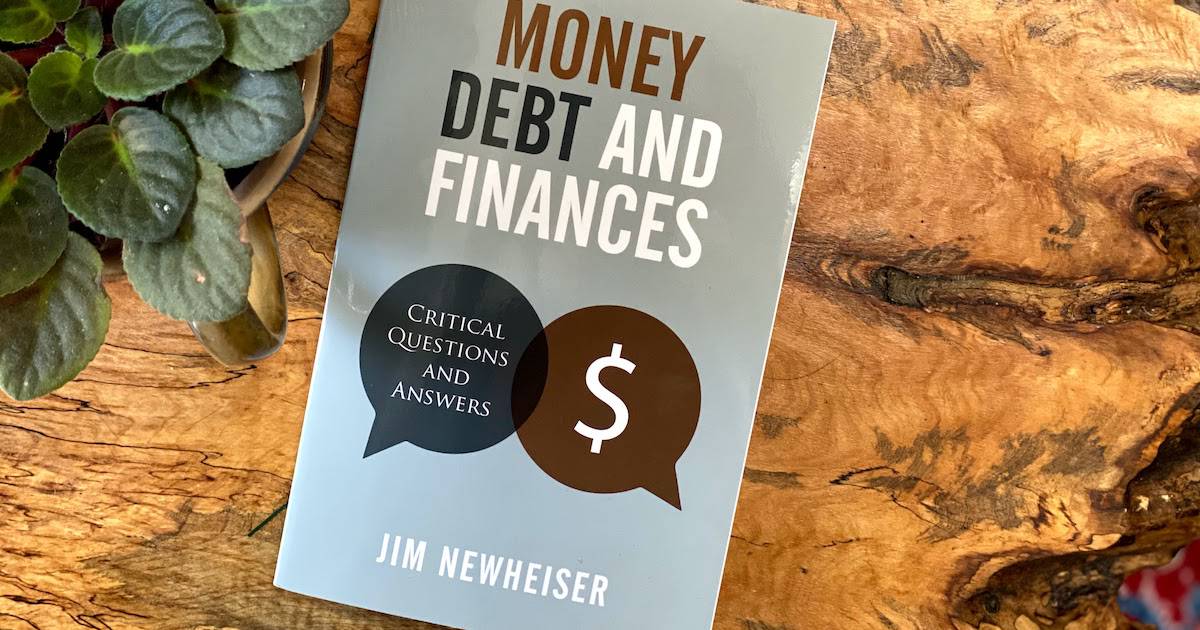
There are some topics that are relevant to only some Christians and a few topics that are relevant to all. One of those universal topics is finances, for each of us is entrusted with money and needs to learn to steward it well. Each of us is responsible for the ways we handle our money and accountable for the ways we mishandle it. Though Christians are well-served with books on the subject, we can always use more, for over time our questions and concerns tend to change.
Jim Newheiser is a longtime counselor who is also a self-proclaimed “financial junkie.” From his youngest days he has been interested in money and finances and in his ministry career has often had to counsel people on the matter. That long passion has finally made its way into his new book Money, Debt, and Finances: Critical Questions and Answers. He has three primary aims for it: To train Christians how to glorify God with their finances (which is a higher and better goal than training people to be debt-free or wealthy); to present financial wisdom that is grounded in faithful biblical exegesis and rooted in sound theology; and to be a reference for individuals and counselors to discover the Bible’s answers and to apply them to common contemporary financial problems and questions.
The book is divided into five parts, each of which contains a number of questions and answers. So, for example, part 2 is “Acquiring Money” and answers questions such as: what are the keys to success in your vocation, what are illegitimate ways of making money, and should Christians participate in multilevel-marketing organizations? Part 5 is “Preparing for the Future” and addresses topics like: what are some common misunderstandings about preparing for your financial future, what are wise general principles for investing, and how can you prepare for the end of your life?
There are 41 questions and answers in total, and they span a wide variety of topics. Together, they add up to a solid practical theology of money and finances and provide the kind of guidance that will help Christians become faithful stewards of what God has provided. Non-American readers may note there are a few—and thankfully only a very few—that may not apply beyond the borders of the United States (such as mortgage interest being tax deductible).
Any Christian book on this subject faces a challenge: it must deal with both timeless principles and contemporary applications—issues that transcend time and context and those that are inexorably bound to a particular time and a particular context. Money, Debt, and Finances strikes just the right balance. It carefully distinguishes between what the Bible says to all people in all times and what it says to a certain people at a certain time. For that reason and many more I am glad to recommend it.





