
When I was a kid I loved to collect things, though, in retrospect, rarely for very long. For a while it was stamps, then coins, then model airplanes, then this, then that, then the other thing. Somehow, though, I always had some little collection on the go.
I have long since given up collecting much of anything except for this: quotes. I am a collector of quotes. I am not as organized as I would like to be, and not as committed as I ought to be, but I am still building a pretty good collection. Every week I send a batch of favorites to a graphic designer so that 6 days a week I can share one of them through various social channels. (You can find the definitive collection of these quote graphics at Pinterest.)
Now it all sounds very simple, and it really should be. But I have found, rather to my surprise, that many people do not know how to enjoy a quote. To the contrary, too many people ruin a perfectly good quote because they just don’t know how to make the most of it. Within 10 minutes of posting a quote, no matter what it says or who said it, someone will object. It is inevitable. No sooner do I post the quote than someone replies to tell me why they disagree with it (and, very possibly, why I am a rank heretic for ever sharing it in the first place).
The most common objection is that the quote does not contain the entire truth. The quote may be true, but not always true or not wholly true. John Flavel says, “A twig is brought to any form, but grown trees will not bow. How few are converted in old age!” But someone objects to say that his grandmother was saved at the age of 72. “The true test of our worldview is what we find entertaining,” says Al Mohler. But that person’s conscience is clear and she says she can thank God for the entertainment another person might find objectionable.
The very thing these people are objecting to is the beauty and value of the quotes: They provide a dimension of truth and give us the opportunity to reflect on what is true. Few single sentences contain exhaustive truth—that is too great a burden for 20 words or 140 characters. I can say, “Christ died for our sins and was raised” as a summary of the gospel, or I can write a 10-volume series exploring every nuance of the gospel. Both are true, but one far more completely true.
In that way the quotes I share are much like Solomon’s Proverbs—rarely exhaustively true, but always true to at least some degree. This is why Solomon could share contradictory proverbs, because neither one is true all the time and in every situation (see Proverbs 26:4-5). The benefit of a good quote is in pondering it, in considering the extent to which it is true and the situations in which it is true. The joy of a quote is in thinking about it, yet without over-thinking it.
Quotes are like lozenges, great for savoring but terrible for just straight-out swallowing. Learn how to savor good quotes.
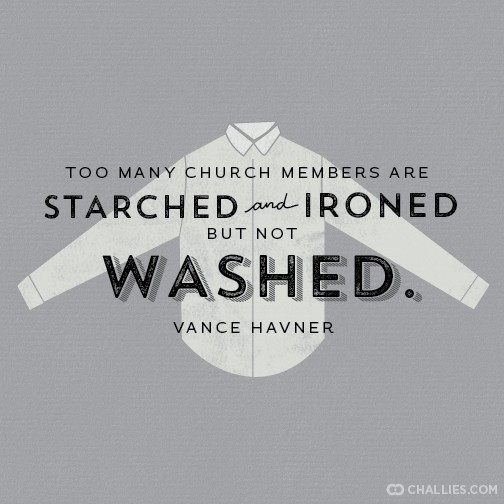
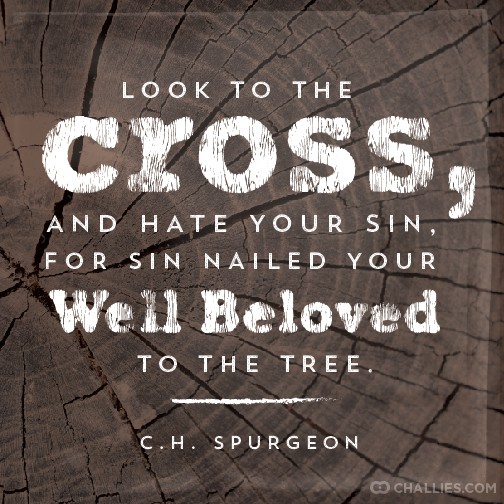

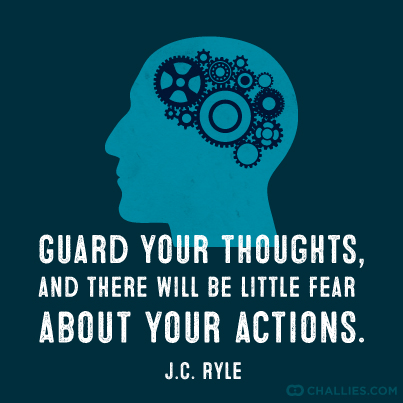
Image credit: Shutterstock





