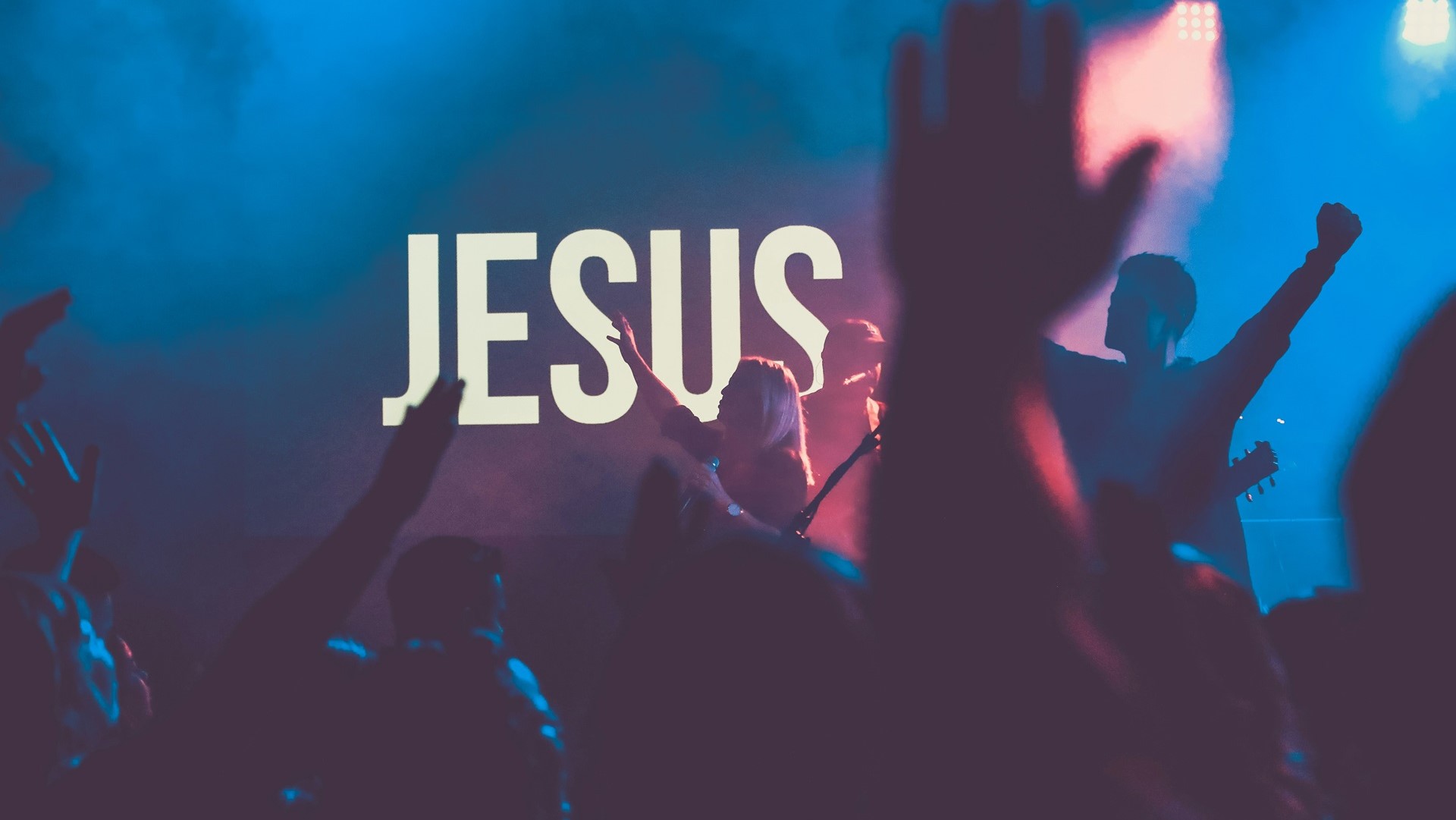
One of the ugliest boasts of so many of the churches created during the era of the Church Growth Movement was this: This is not your grandparents’ church. This was a slogan they proudly broadcast on signs outside their churches multi-function ministry centers, a motto they printed on postcards and mailed to nearby homes. Just about every upper middle class neighborhood in North America got at least a few of these in the late 90s and early aughts.
These churches meant to communicate “this is a new kind of church—one fit for the modern world.” They wanted to indicate that younger folk—those who had wandered from the traditionalism of their parents or fled the fundamentalism of their grandparents—would find a safe place to hear about Jesus and learn about the Christian faith.
If it’s not your grandparents’ church it’s not likely to welcome your grandparents, is it?
But the slogan and the very model of church made something else all too clear: the elderly are not welcome. If it’s not your grandparents’ church it’s not likely to welcome your grandparents, is it? If it’s defined in opposition to what’s dear to them, it’s not likely to make a place for them, is it? In fact, it’s going to abandon the hymns they love, crank the music to levels they hate, drop the lights so they cannot see, and scratch ministry to the elderly in favor of ministry to the youth.
The “not your grandparents’ church” churches have proven themselves incredibly weak and fatally flawed. As Christians grapple with the fallout from the empty claims of the attractional model of church, it becomes clear: churches without grandparents are just as sick as churches with only grandparents.
Why? Because these churches were founded on a model that explicitly rejected many of the people nearest and dearest to God. After all, it’s gray hair, not a man bun, that God declares a crown of glory. We are to rise in the presence of the aged and wise, not the young and hip. It’s the weak who are most worthy of special welcome, not the strong. It’s the helpless who most merit our attention, not the affluent.
And here’s the sick irony: by driving off the elderly, they were driving off the people who, through their weakness, would bring a unique strength. They were driving off people who are necessary to the healthy functioning of a church. They were driving off the weak, and it turns out a strong church is made up of weak people. That’s because elderly believers bring a unique power in prayer and, while we see it illustrated at various points in the Bible, we see it beautifully described in Paul’s first letter to Timothy. There Paul addresses the issue of elderly widows in the church and insists that the church has a special responsibility to express love and make provision for them. And, in words that speak specifically of widows but which can easily be broadened, he says this: “She who is truly a widow, left all alone, has set her hope on God and continues in supplications and prayers night and day.” With her strength waning, with her resources spent, with her self-reliance shattered, she has drawn near to God. She has gained the ear of God in a special way.
Listen to one pastor as he describes what he witnessed when he visited the Ukraine after the collapse of Communism. He saw
how mistaken the Communists were when they allowed the older women to continue worshipping together! It was they who were considered no threat to the new order, but it was they whose prayers and faithfulness over all those barren years held the church together and raised up a generation of men and young people to serve the Lord. Yes, the church we attended was crowded with these older women at the very front, for they had been the stalwart defenders and maintainers of Christ’s Gospel, but behind them and alongside them and in the balcony and outside the windows were the fruit of their faithfulness, men, women, young people, and children. We must never underestimate the place and power of our godly women.
Yet the very people who sustained and built such churches through their prayers are the ones so many churches neglect or exclude. Philip Ryken comments:
The prayers of widows give strength to the church. Calvin said that “prayer by day and night is the special privilege of widows and the childless, for they are free from the things that very properly hinder those who rule a family from doing the same.” As a result of their intercession, young mothers with their toddlers, ministers at their books, missionaries in their fields, men and women on their jobs all receive spiritual help for their work. If you are a widow, God is calling you to enter into deep fellowship with him through prayer. In fact, one of the praying widows in my own congregation asks that I encourage other widows to join her. Perhaps the great work of your life is only just beginning: the great work of intercessory prayer.
Too many churches today continue to implicitly or explicitly reject older believers—widows and others who can bring their unique strengths to bear in the quiet, unglamorous, unseen, but crucial work of prayer. As for me and my church, may we welcome them into our midst, may we grant them special honor, may we gain the benefit of their sweet ministry.





