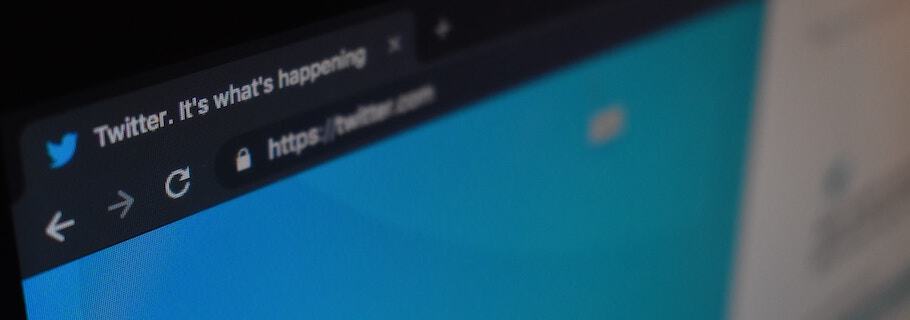
During the summer, I left home for a two-week vacation with my family. I knew that in order for this to be a true vacation, I would need to vacate not only my home and my job, but also my social media. Especially Twitter. I returned home two weeks later, but have still not returned to Twitter. Actually, that’s not quite true—I still post links there when I write a new article, but I do that through a third-party app; I haven’t actually read or checked a single tweet since the day I left. And frankly, I have barely wanted to. I’ve found that my life is happier without Twitter. It’s better. It’s less stressful. And I’ve been putting some thought into why that is.
It adds nothing necessary to my life and very little that’s truly beneficial.
At the top of the list is the simple reality that I may have the wrong disposition for Twitter. The man just doesn’t fit the medium. Over the past few years I’ve awakened to the reality that in many ways I am a weak person. I am weak physically, constitutionally, and in some ways emotionally. Especially, I’ve learned that I am easily fatigued, drained, or discouraged when involved in unnecessary conflict or even when witnessing it. If my unsanctified disposition is toward cowardice and running away, I believe my sanctified disposition is toward peace and peacemaking. Yet Twitter is a medium that seems to generate conflict and to thrive upon it. I find it a discouraging and intimidating place to be. I derive negligible pleasure from it. It adds nothing necessary to my life and very little that’s truly beneficial.
And then there’s the reality that Twitter has an addictive quality to it. At least, it does for me. I immediately noticed something interesting when I forced myself to quit Twitter for those weeks of vacation. For the first few days my finger would hover over the app’s icon and occasionally even tap it before I would catch myself and realize what I had done. Checking Twitter many times a day had become such a habit that I didn’t even think about it. I just did it. It was filling life’s empty moments. There was an addictive element to my use of Twitter, so that I was using it compulsively rather than thoughtfully. And like most things that are addictive, I had long since lost the enjoyment of it, and was really just doing it out of sheer force of habit. That concerned me.
I have also been finding joy in ignorance. There was a time when I felt it was good and necessary for me to keep up with the all the news, information, and opinions flying through Twitter—especially information about who has done what, who has said what, who’s in, and who’s out. I thought I might miss crucial information if I didn’t stay closely connected to Twitter. But I’ve found it’s just as beneficial, and perhaps more beneficial, to avoid that kind of information and to avoid that quantity of information. There’s a sense in which staying off Twitter is choosing to remain ignorant. But so far I don’t think I’ve missed out on anything crucial.
And then there’s the fact that many of the people I love and respect have a presence on Twitter. I’m tired of watching some of them bear unfair shame and reproach for some petty dispute or silly mistake. I’m also tired of watching some of them embarrass themselves on Twitter through speaking ignorantly or hastily. I’m tired of having to dread opening the app to see who is being shamed and who is acting shamefully today.
Finally, I’ve seen with growing clarity that Twitter just doesn’t reflect the real world. It doesn’t reflect the cares and concerns of the vast majority of Christians, and especially the people in my local church. In many ways, paying close attention to what’s trending on Twitter leads me farther away, not closer to, the concerns of the people God calls me to care for in the local church. In many ways it distracts me from my mission instead of assisting me in it.
The simple fact is, I’m happier this way. At least for this little phase of life, I’ve got more joy in ignoring Twitter than in participating in it. I know not everyone will feel the same way and that’s well and good. But as for me, and as for right now, I’m a Kwitter and am happy that way.