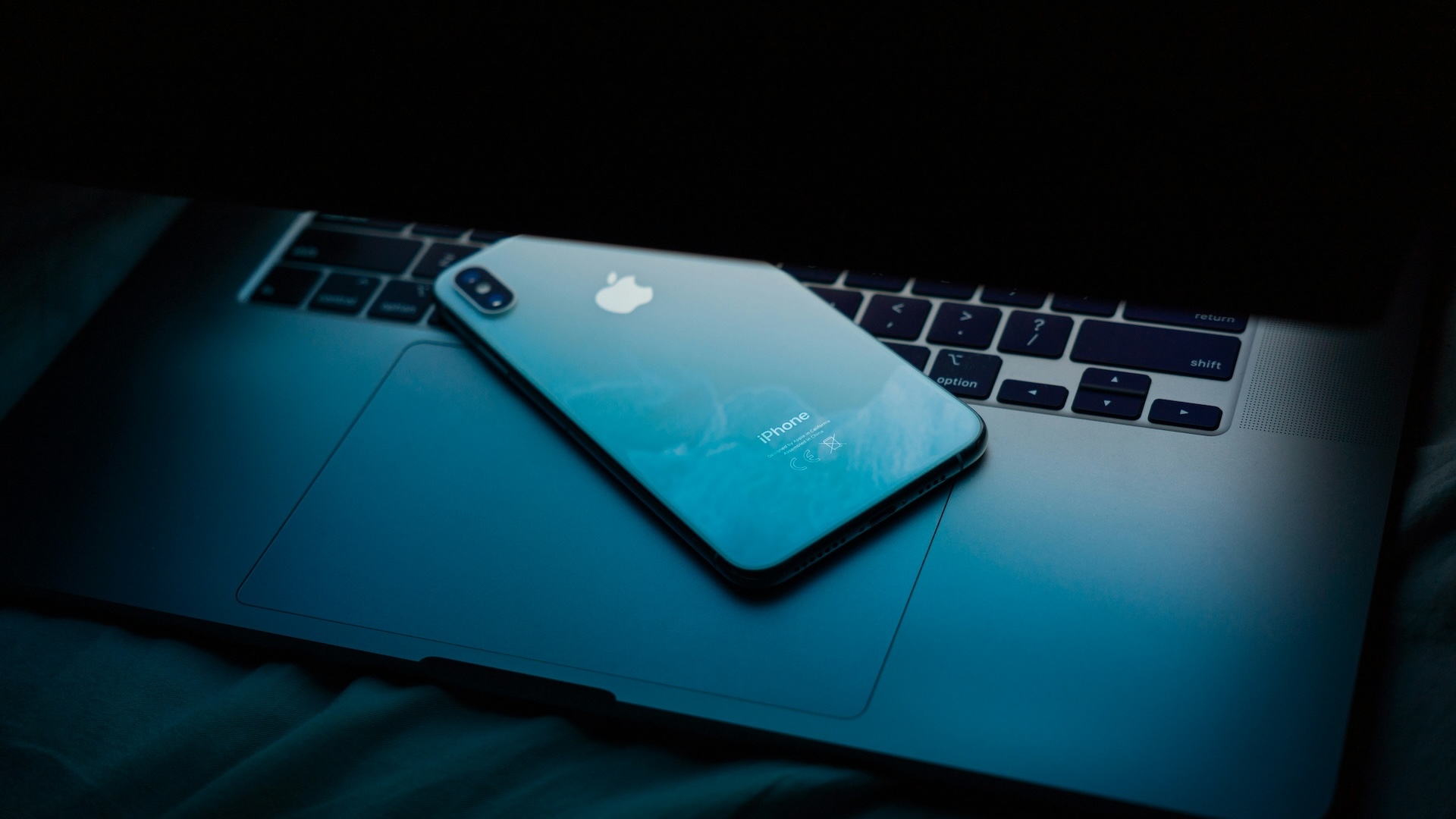
A few days ago, I dropped a throwaway line at the end of one of my A La Carte collections. It ended up generating a lot of questions and requests for clarification. What I wrote was this: “I don’t really carry a phone with me anymore.” So let me clarify what I mean.
What I mean is just that: I don’t really carry a phone with me anymore. A while ago—it may have been five or six months now—I decided I wanted to be free from my phone when outside of my house. I had become increasingly aware that I used it compulsively, and often to avoid or hide from more important opportunities or responsibilities. For example, at church I could stare at my phone instead of engaging with people. When in shops or stores, I could look at a screen instead of being aware of my surroundings. It was a kind of “safe place” I could hide behind. So I decided I would begin to leave my phone at home. I stuck it in a closet and now only rarely take it out.
Of course, there are complications to giving up a phone. For one, I want to be available to people—family primarily—who may want to get in touch with me in an emergency. Second, I live in a part of the world that has awful traffic, and when I’m driving about, I rely on Google Maps to route me around the worst of it. Both were readily solved, though. I found an Apple Watch that can receive phone calls, so my family can now reach me if needed. And I realized my car has Google Maps built in, and it costs only $10 a month to get a basic data plan that will let me use it. Easy.
There are a handful of small annoyances with this, though in a sense this is the point—to deliberately supplant the device that does these things well (while adding a ton of addictive features) in favor of one that does much less. For one, Apple’s location services will always track my phone ahead of my watch, so if Aileen wants to know where I am or if I am on my way home, Find My will show where my phone is, not where my watch is. That’s annoying. Not only that, but some location-based automations I like to rely on (e.g., “Hey Siri, remind me when I get home to check the mail”) don’t work well because location tracking is tied to my phone, not my watch. Then, it’s not great to make or receive calls on a watch, though since it’s only for emergency use, it’s acceptable. Phone calls aren’t great in the car either, since an Apple Watch can’t connect to the car’s audio system, but it’s rare for me to need to take a phone call while driving anyway. If I need to, I can always pop an AirPod in, presuming it’s legal where I’m driving (which it is in Ontario). I can’t listen to music or podcasts in the car now, but I find the silence useful in its own way.
Has it made a difference? Yes, to a modest degree, at least. I definitely feel more present when I can’t hide behind my phone. It has been especially helpful at church, in small group, and in similar contexts. I have also found it satisfying to sit in waiting rooms and stare at a wall instead of at a screen. I like driving in silence and often use the time to pray or just think. Apart from being more engaged with people, the greatest benefit has been the lack of distraction and the useful “boredom” it forces. My mind does good things when it wanders. I have seen residual benefits in my home as well, since that phone remains in the closet even when I’m here. But since I have other devices at home, the benefits are less pronounced.
Financially, I’d say it’s just slightly better than a break-even proposition. I can now replace my phone less often and maintain a less expensive data plan, and this more than covers the cost of the Apple Watch, especially if one can be had second-hand. My watch can still receive text messages and emails, but it’s annoying to use, so I tend not to. Also, I created a custom Focus that blocks notifications for all but family members. This allows me to slow the pace of receiving and responding to messages, letting me do it in my own time and at my own pace.1
Would you benefit from trying something like this? Maybe. A big caveat is that I work from home. I don’t go out a lot and am not as dependent on my phone as many others would be. When I do travel long distances, I still take my phone with me since it can be tough to travel without it. My car’s data, for example, stops working as soon as I cross the border into the U.S., while my phone’s plan keeps going (and Google Maps with it). Also, a phone is nearly essential when flying, navigating missed connections, picking up rental cars, and so on. So ditching my phone is far more feasible in day-to-day life than it is on those occasions when I travel.
But overall, I’m glad I made this move away from a phone and, for now at least, intend to keep it this way. My plan in the weeks to come is to be more deliberate about leaving my other devices in my office at the close of the day so I can be screen-free throughout my evenings. In these ways and others, I’m trying to be a bit more physically present and a bit less technologically dependent.
If you’re interested in using a Watch instead of a phone, Reagan Rose made the move long ago and described how he did it. I didn’t follow his method, but I see how it would be effective.
- I also recently used Claude to create a customized email app that forces me to batch-process emails at predetermined intervals—first thing in the morning, midday, and late afternoon. This has also been helpful to me. ↩︎