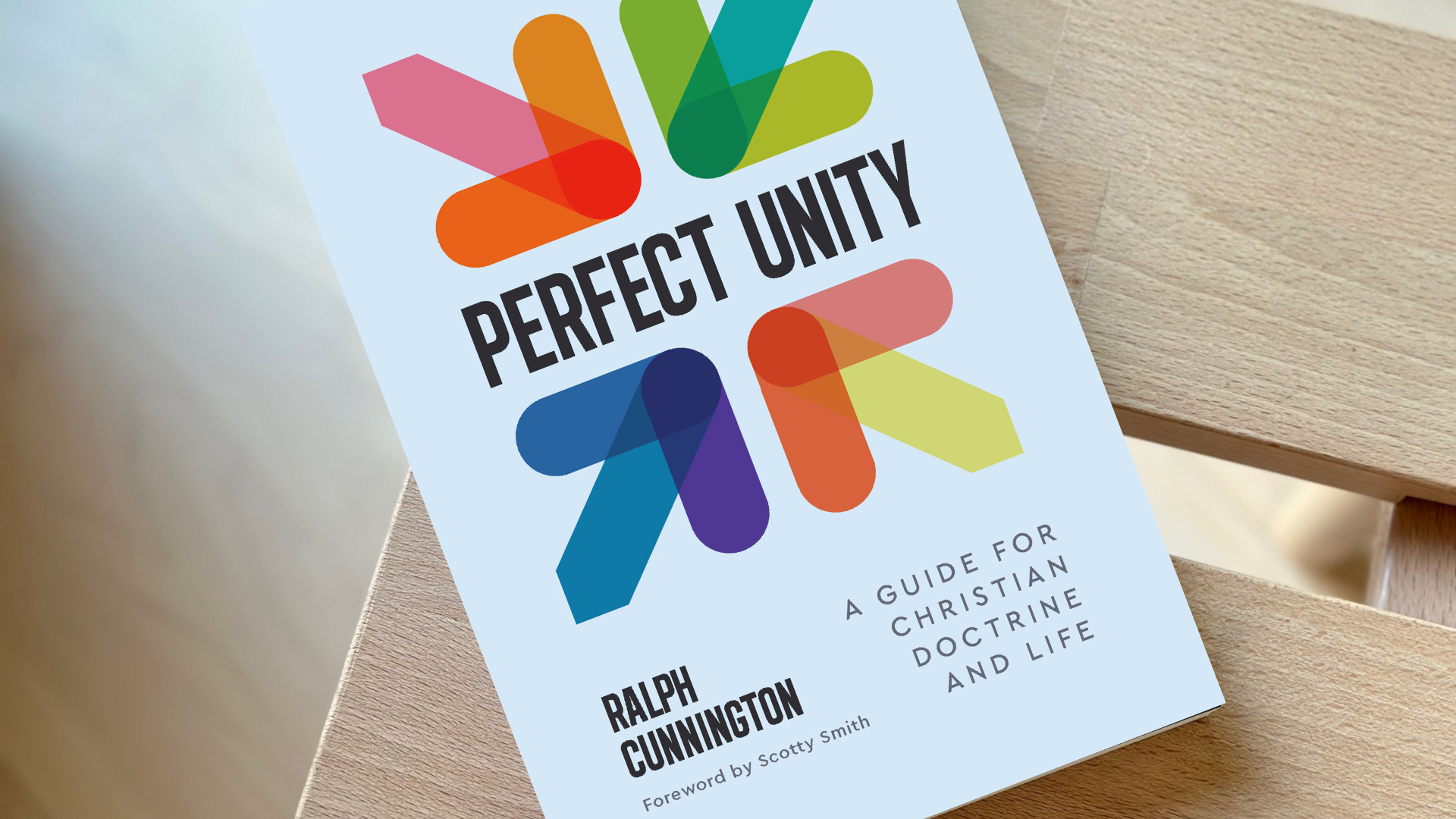
This week the blog is sponsored by P&R Publishing and is written by Ralph Cunnington.
Years ago, I stumbled repeatedly on an ancient phrase that altered my thinking forever.
Distinct yet inseparable.
The first time I encountered this phrase was while studying the Council of Chalcedon’s description of the two natures of Christ. Soon after, I found that Augustine had used it to describe the relationship between the three persons of the Trinity. Then I saw that John Calvin had used it to describe the relationship between justification and sanctification. It was so beautiful and clarifying, so simple: there can be distinction without separation. We can experience unity within diversity and diversity within unity.
“Someone should write a book on that one day!” I thought.
Fast-forward to 2020.
Lockdown.
COVID-19.
George Floyd.
Marches.
Riots.
Tensions were running high, and debates raged both in society and in the church.
To mask or not to mask?
Should we take down statues of people we now find problematic?
What is gender?
What is real and true, and what is not?
I saw the church struggle to respond, and the phrase that had altered my thinking years ago suddenly came to back to me in a brand-new way. Distinct yet inseparable. I was sitting on an ancient concept that could bring clarity to these divisive issues.
And that’s how “Someone should write a book on that one day!” became “I need to write that book.”
Distinct yet inseparable explains who God is and how God works in his world. It explains what he has created us to be and how he has called us to live within the church. Indeed, the concept provides the key to answering the most pressing questions of our time—questions of identity, gender, and ethnicity.
My three children are part of the first generation to grow up with smartphones. According to recent research, they’re also part of the most dissatisfied and depressed generation yet. They are passionate about racial and gender equality, yet deeply pessimistic about the future. They’re not alone. We all need to see how the beautiful news of the gospel fulfils our longing for unity and diversity in a broken and confused world.
I wrote Perfect Unity to play a small part in doing just that.