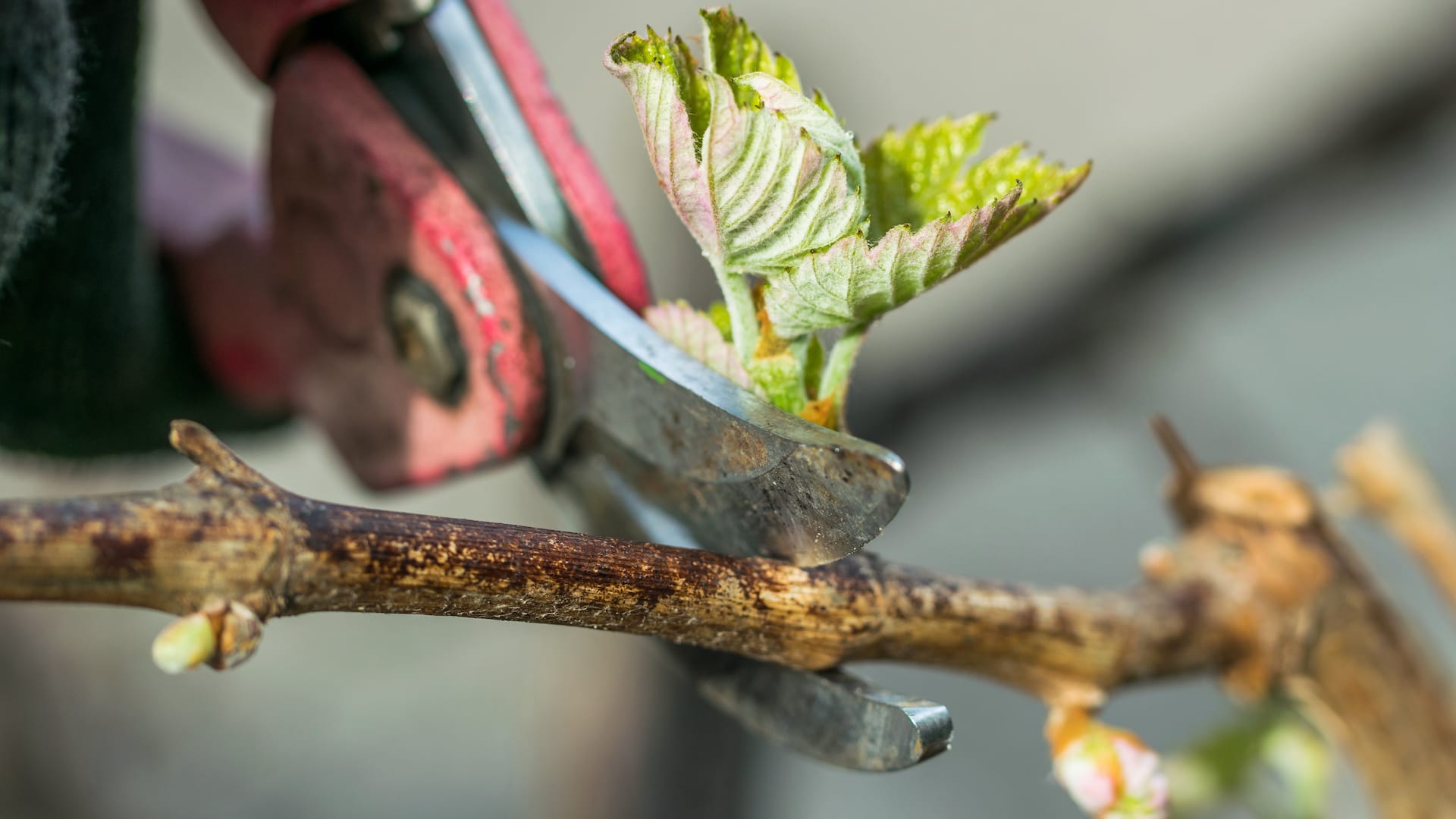
Suffering is never pleasant. We never welcome trials as we do joys, for suffering always brings sorrow, it always brings pain. Sometimes a loved one is taken from us and we experience the aching grief of absence. Sometimes we suffer the loss of money, property, or position and we mourn what has been torn from us. Sometimes we are tried by sickness or unremitting pain and we lament the pleasures we can no longer enjoy. No matter how suffering comes and no matter the form it takes, it is always painful. And it is in our pain we need to remember the words of Jesus who said, “I am the true vine, and my Father is the gardener. … Every branch that bears fruit he prunes so that it will be even more fruitful” (John 15:1–2).
God is a gardener and we are branches under his care. He looks after us with all the attentiveness of a gardener who longs to see his vine bear fruit. He tends us, he nourishes us, and when necessary he prunes us. And though we do not welcome those times when pains cut deep into our souls, we have this confidence: No hand but his ever holds the shears. If it is our loving gardener who does the pruning, we can be sure there are never any unwise or careless cuts. Though we may not know why this branch has had to be trimmed or that one removed, we do know the one who wields the blade. We know his faultless wisdom, his perfect vision, his steady hand. We know he makes no mistakes.
There is still more comfort to be found. Jesus says the Father trims every branch that bears fruit. Suffering, then, is not a sign of God’s disapproval but his approval, for it is the branches that are already bearing that he carefully cuts. Barren branches are chopped off and thrown into the fire, but the lush and living ones are trimmed so they will be more fruitful still. In fact, to escape all pruning is no sign of God’s favor, for a branch must be tended, it must at times be trimmed, if it is to continue to bear. A wise gardener will sometimes have to make deep cuts, shearing off branch after branch, bud after bud. But what may look senseless to the untrained eye will soon lead to fruit of a richer, fuller flavor.
Pain may be better for us than pleasure. Loss may enrich us more than gain. Sorrow may equip us more fully than joy.
The gardener never stops caring for his vine, and God never stops caring for his children. His disposition toward us is always mercy and love. There is often more of his blessing in things we regard as evil than things we regard as good. Pain may be better for us than pleasure. Loss may enrich us more than gain. Sorrow may equip us more fully than joy. The vine must be pruned if it is to bear fruit that is abundant and sweet.
There are times when it is easy see the goodness of God in our circumstances, but there are also times when we can barely see it at all. It is then that we need faith that is truly Christian—faith to believe in goodness we cannot yet see. And there must always be goodness in our circumstances, for God does not send us two classes of providence, one good and one bad. No, everything works for good for those who are loved by God and called according to his purpose. Through the eyes of faith we see that our suffering is God’s goodness in seed form. It takes time for the seed to mature and to grow and to bud and to bear fruit. Many of the good things in our lives come first as pain, first as suffering, first as disappointment, but afterward they bloom into the rich fruits of righteousness—love, joy, peace, patience, kindness…
Vines must be pruned if they are to bear fruit; Christians must experience trials if we are to grow in grace. Trials will come, and we must do more than passively endure them. We must submit to them and even embrace them as the will of the Father. We must determine we will emerge from them as better Christians, to have gained more of the mind of Christ, to have grown in love for God and our fellow man. For we know that just as pruning causes the vine to be more abundant, the cutting away of earthly pleasures and illicit joys causes us to bear the good and sweet fruits of righteousness and peace. We know that the only sorrow capable of truly harming us is the sorrow that does us no good.
(Inspired by J.R. Miller’s Practical Religion)